Get a clear view of the used car market in Utah UT before you browse and buy. This guide brings together real world pricing trends, local supply dynamics, and Utah specific tips to help you evaluate value across sedans, SUVs, and trucks. Whether you are comparing a commuter friendly compact, a family SUV with all wheel drive for winter roads, or a weekend ready pickup for mountain trips, understanding regional demand and seasonality can save you money. We explain how mileage, ownership history, and factory options affect pricing from Salt Lake to Washington County, and how to benchmark models across trim levels and drivetrains. You will also find guidance on financing considerations, from prime to second chance options, plus links to in depth buying guides by county. Use this page to set your budget, shortlist models, and validate fair prices across Utah before you take a test drive.
After you explore pricing data, compare vehicles in our used inventory, and review county level insights, return to this page to validate your picks. Cross check model year changes, ownership costs, and local availability so your final choice fits both your lifestyle and your budget. When you are ready to ask questions about financing, market comps, or trade in valuations, use our contact resources and buyer guides linked below. Smart local research leads to confident ownership for years to come.
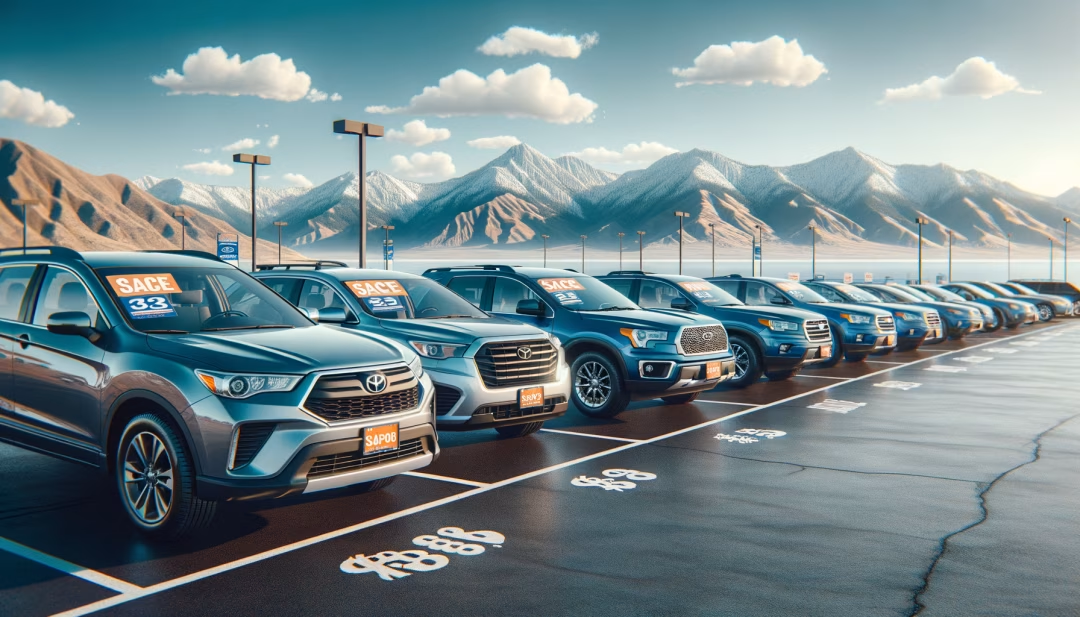
Utah’s used car market behaves differently than national averages. All wheel drive demand is stronger, seasonal shifts are more pronounced, and trucks and SUVs often command premiums in mountain and rural counties. Prices also reflect local mileage norms, commuter patterns, and how vehicles handle winter conditions. Doing focused Utah UT research helps you avoid overpaying, spot underpriced gems, and pick features that hold value across our climate and terrain.
Use these internal resources as you evaluate vehicles, financing, and ownership details across Utah counties and cities.
Local prices reflect both supply and demand. Here are the forces that most affect valuation statewide.
Explore our focused research pages for hyper local pricing signals, popular trims, and typical equipment packages. Cross reference your short list with nearby counties to see if a short drive could save you money.
Start with verified comps from recent sales and active listings within a 150 mile radius, then apply local adjustments. For example, a Subaru Outback with EyeSight and winter service records may command a premium in Wasatch and Summit counties, while a low mileage FWD Camry could be a better buy along urban corridors. Compare identically equipped trims, not just model names, and normalize for mileage in 5,000 mile increments. Always confirm accident history, title status, and maintenance intervals, including timing belt or CVT service when applicable.
Financing affects the total cost of ownership as much as the sticker price. A small rate change can offset a higher purchase price or make a fair price too costly. Explore tailored options and educational content here:
When you compare offers, use the out the door price and the total of payments. Consider a slightly newer vehicle with stronger resale and lower APR if it reduces your three year total cost, even if the monthly payment is similar.
The right model depends on your commute, weekend plans, and snow exposure. These categories often deliver strong value statewide:
Utah conditions make a careful inspection essential, especially for vehicles that have seen mountain passes or winter roads. Use this checklist during your in person review.
Arrive with three to five local comps within 30 days, adjusted for mileage and options. Show why your target price is fair by referencing model year changes and service milestones. If the vehicle has new tires or brakes that align with Utah winter needs, value those upgrades in your counter. If you plan to finance, negotiate vehicle price before discussing rate or term to keep comparisons clean.
Budget for sales tax, registration, emissions where applicable, and potential winter tire sets. Insurance premiums vary by ZIP code and vehicle type. If you drive over mountain passes often, consider roadside assistance and a maintenance plan that covers brake inspections and alignment checks twice a year. Small investments here can preserve tire life and resale value.
Clean records, recent services, full detail, and a folder of receipts can lift trade value. Get appraisals from at least two sources and use those numbers to support your ask. If your trade is a 2WD sedan and you are buying in late fall, consider timing the swap earlier to avoid seasonal dips.
Pair this page with our step by step buyer guides below. They break down trims, feature must haves, and cost of ownership by county so you can move from research to a confident shortlist.
Inventory turnover along the Wasatch Front remains elevated for late model SUVs and half ton trucks, with steady demand in outdoor focused trims. Hybrids and plug in hybrids are gaining share in commuter corridors, reducing fuel cost volatility. As new vehicle incentives shift, certain used models may soften first in larger metro areas. If you are value oriented, monitor price deltas between Salt Lake and neighboring counties and be ready to move when a well equipped vehicle lists slightly outside peak demand zones.
Build a shortlist of three models with two trims each. Price each version across at least two nearby counties and include certified and non certified options where available. Validate service history, calculate total cost with your expected APR, and decide your walk away number. Then schedule inspections and test drives. With this approach, you will know when a listing is truly priced right for Utah UT conditions.
Market research is not a one time task. Recheck comps the day you plan to buy, verify that your chosen vehicle still ranks in the top tier for value, and keep a short backup list ready. With Utah focused insights and the links on this page, you can make a smart, data backed choice on your next used vehicle.